Yesterday was the Autumn Equinox and we all have begun a slow descent into darkness, like falling into the inky blackness of a deep well or sinking into sunless ocean depths. We have only 89 days remaining until the Winter Solstice when we feel the full punch of the night hours reigning supreme while days are short and without warmth.
As one who has lost his youthful resistance to cold and windy days, since the 1980s give or take a weekend, I have been adversely affected by cold weather so do not relish the coming natural cycle. The calendar most common to us is a hand down from a couple Roman rulers who, after a couple of additions to the original 10-month calendar, left us with incorrect Latin usage. Some of the names associated with the universally accepted 12-month Gregorian calendar are Romulus, the first Roman king, who instituted the 10-month calendar with the first six months named for a deity starting with March running through to August, like this: Martium, Aprilis, Maius, Lunius, Quintilis and Sexitilis. The four remaining months were the numerals seven through ten: September (septem=seven), October (octo=eight), November (novem=nine) and December (decem=ten).
So, if those names represent those numbers, why, you ask, do the months of the calendar rank them the ninth, 10th, 11th and 12th months? The answer is because Numa Pompilius, the second Roman king, added the deity named months Ianuarius (January) and Februarius (February) to the calendar to better align with the lunar phases. The calculation of a leap day is a subject I leave readers to investigate, but basically, we have an irregularly arranged monthly day count of either 28, 30 or 31 days. In 1902, a fellow by the name of Moses B. Cotswold developed a 13-month calendar of 28 days per month. He instituted a new month, named Sol, to fall between June and July to fall in line with the solar phases. George Eastman of Kodak and a few other businesses adopted this calendar for a while, but globally it found too many cultural, religious and logistical complications to catch on. But, no matter the calendar, the days will regrettably continue getting shorter and cooler.
But at the present time the rotation of Mother Earth finds us experiencing some very warm, nay, downright hot, days but with some very pleasant evenings. As mentioned here before, I have taken to riding about the city after Ol’ Sol has ceased his (or her) searing posture in the sky and the coolness of darkness falls across the cityscape. And I cannot deny that evening rides allow for a far more casual approach to the laws of the land.
Normally during my daytime ventures, I do my best to obey all the traffic rules with exceptions where safety is not an issue. I will admit to running stop signs in daytime, especially the one at the intersection of Division, Canal and the entrance to King City Shopping Center. From First Street, Division Street runs downhill toward the Salinas River and then dips lower when entering the parking lot. Pedaling eastward out of that low lot with two bags of groceries hanging from each side of the handlebar gets difficult at the exit to Canal, quite a hump is that intersection, so if I don’t have to come to a dead stop and start cold, which means downshifting a couple of gears, I will run that sign. And I rarely ride on sidewalks, in fact if ever during business hours what I do is coast slowly unsaddled ready to step off in a second.
But nighttime is different. Firstly, the traffic flow is a trickle so use of an entire street is possible, and oft times necessary to avoid some near third world country type rough places. And I can truthfully testify the need to obey the stop sign at the intersection of North Second and Maple Streets at 9:45 at night are pretty slim indeed. Of late I have been leaving where I rent on Seventh Street around 9:20 and return about 30 to 35 minutes later using random routes. On a recent evening ride, I accessed the Linear Park bike and pedestrian pathway from Spreckels Avenue about 10 p.m. and as I pedaled along, a slight, warm breeze blowing in my face, I looked southward and was aware I was riding on what were once crop fields. In my mind’s eye I could see the King City I knew from my high school years and beyond to its present state; the town has progressed much, and continues to progress. I find a certain satisfaction in knowing I am involved as a volunteer helping city staff and nonprofits in their efforts to make King City the best it can be; the best we all can be. Fortunately, there are many volunteers in the city and together constitute a solid front; it is an E Pluribus Unum thing.
As I write these words, the 25th year of remembrance of the attacks on America will take place across the nation and around the world. Earlier this morning, I watched the French brothers Jules and Gedeon Naudet’s documentary of that day. The filmmakers were making a documentary of a probationary firefighters first few months of training when the attacks occurred and filmed from both inside Tower #1 and surrounding streets. A very graphic documentary showing thousands of New Yorkers reacting to the tragedy. And 25 years later we hear from the governor of New York City what others have been saying for years, that every administration from the time of the attack hid the facts of how toxic the air was in Lower Manhattan and so dismissed those thousands of responders and citizens who became ill and died from breathing those toxins.
I hope there are voices 20 years from now telling my grandchildren exactly what happened to their country during the present times.
Take care. Peace.
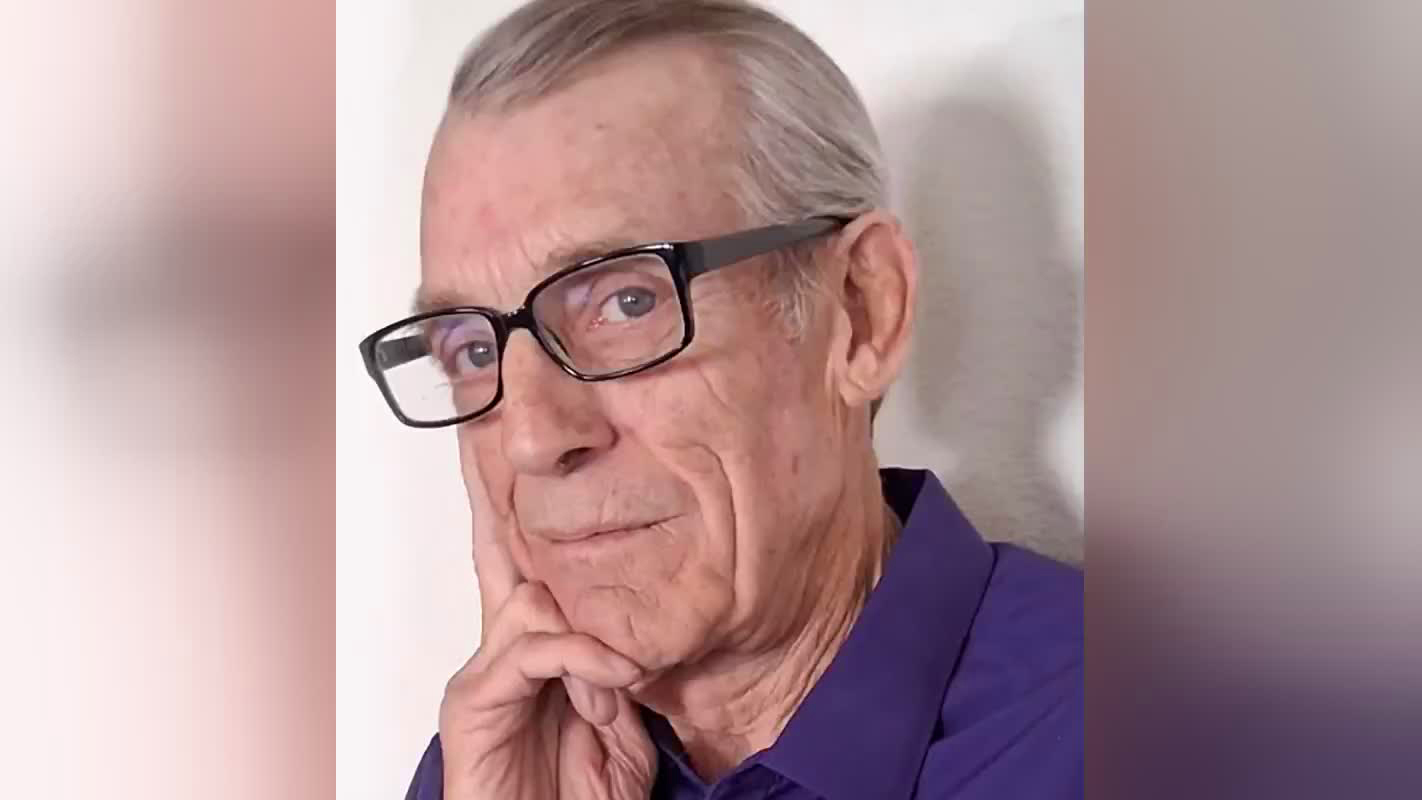
Columnist Steve Wilson may be reached at sc**********@***oo.com.